The F Word Is 'Fund': Capital F Closes $17M to Back the $15 Trillion Female Economy
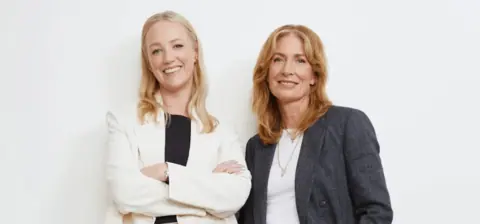
On August 26, 2026, Capital F announced the close of its $17 million debut fund, a pre-seed and seed vehicle built explicitly to back female-founded and women-focused startups across women's health and wellness, AI and technology, and digital commerce. The firm was co-founded by Dawn Dobras, the former CEO of clean-beauty retailer Credo Beauty, and Margaret Coblentz, a longtime investor and operator — and it writes checks between $250,000 and $1 million.
The fund's most interesting number is not the $17 million. It is the LP composition. Per Femtech Insider, roughly 85% of Capital F's limited partners are women, against an industry average below 20%; TechCrunch reported the figure at almost 80%. Either way it is an outlier by a factor of four. That base was assembled deliberately: Dobras told TechCrunch the pair hosted "salon" events around the country for the "VC curious," specifically to bring women who had never written an LP check into the asset class. "We realized that many times women aren't invited into the rooms to invest in funds," she said. Named LPs include Jenny Ming (CEO of Rothy's, former head of Old Navy), Marta Benson (former CEO of Pottery Barn), and Linnea Roberts of Gingerbread Capital, alongside executives from Netflix, Apple, Cotopaxi, Starbucks, HOKA and Life360.
Capital F has already deployed into 13 companies. The portfolio skews directly into sexual and reproductive health infrastructure: reproductive telemedicine platform Hey Jane, cycle-and-hormone tracker Stardust, reproductive health platform Xella, and Malama, which provides doula support for Medicaid patients. The firm also backed Big Sur AI, acquired by Google last year — an exit that landed, as Dobras put it, before the fund had even closed. Remaining capital is slated for deployment by the end of 2027.
The operating model is unusual enough to note: Capital F does not invest in a founder until that founder has spoken with at least two of its LPs. Dobras says those introductions have converted into advisor relationships, board seats, follow-on checks and — the part founders actually care about — sales introductions. With a bench of former retail and DTC chief executives, that is a distribution network dressed up as a cap table.