No Passport Required: Las Vegas Logs a Home-Grown Clade I Mpox Case as CDC Says the Strain Is Settling In
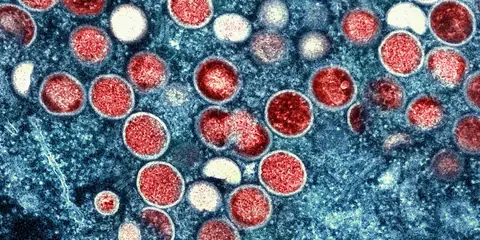
On October 20, 2026, the Southern Nevada Health District (SNHD) reported the first confirmed case of clade I mpox in a Clark County (Las Vegas) resident. The person had no reported travel exposure. The district also reported 11 confirmed clade II cases since August 2026, which it called "a recent increase," and 365 local mpox cases since the first one in June 2022. "This first clade I case and the recent increase in clade II cases are reminders that mpox continues to circulate in our community," said District Health Officer Dr. Cassius Lockett, who urged at-risk people to get vaccinated.
The Las Vegas case fits a national pattern the CDC has now named. The agency's situation summary (updated October 14) counts more than 90 laboratory-confirmed clade I cases in at least 23 states plus Puerto Rico since November 2024, mostly among gay, bisexual and other men who have sex with men. Early cases were linked to travel to Central and Eastern Africa or to sexual contact in parts of Western Europe. Since August 2026, CDC says, "an increasing proportion" of U.S. clade I cases have had no recent international travel or known links to travelers. Presumed domestic transmission has been reported in more than 10 jurisdictions, "indicating a likely transition to sustained clade Ib transmission in the United States." CDC still rates the risk to most people in the U.S. as low. It also notes that recent travel-associated clade I cases have been almost entirely subclade Ib, with no associated deaths and mostly mild illness.
The prevention advice hasn't changed. SNHD says the two-dose JYNNEOS vaccine, given four weeks apart, is expected to protect against both clades. Post-exposure vaccination works best within four days and may still help up to 14 days after exposure. Mpox spreads mainly through close, sustained contact, including sexual and intimate contact and shared bedding or towels.
Sources
- Health District reports first clade I mpox case in Clark County resident — Southern Nevada Health District (Oct 20, 2026)southernnevadahealthdistrict.org
- Health district reports first Clade I mpox case in Clark County resident — FOX5 Las Vegas (Oct 20, 2026)fox5vegas.com
- Clark County confirms first case of clade I monkeypox virus — KTNV Las Vegas (Oct 2026)ktnv.com
- Global Monkeypox: Current Situation — U.S. Centers for Disease Control and Prevention (updated Oct 14, 2026)cdc.gov
Story updates 2
Newest first.
Alaska logs its first clade I cases, with no travel links. On October 29, 2026, the Alaska Department of Health issued a Public Health Alert Network advisory reporting three confirmed mpox cases in Anchorage in October. All three patients are male and none reported out-of-state travel. The first two were caused by clade Ib, the first clade I mpox cases ever reported in Alaska; clade typing for the third was pending. An epidemiological link was found only between the first two, and one patient was briefly hospitalised. The alert says presumed local clade I transmission has now been reported in 15 U.S. jurisdictions since August 2026. On November 6, the Alaska Beacon reported a fourth Anchorage case, also in a man with no travel in the past 30 days. That gives Alaska its highest annual count since 2022's five cases (there were only two from 2023 to 2025). State epidemiologist Dr. Joe McLaughlin said two of the patients are partners. CDC epidemiologist Dr. Randi Rollins, working with the state, cautioned that the lack of travel "does not necessarily establish that the monkeypox virus is circulating here in Alaska," because patients may have been exposed to a visitor. Officials are urging JYNNEOS vaccination for people at elevated risk.
What changed: The Las Vegas case was one domestically acquired infection. Stanislaus County added a Central Valley cluster. Alaska now adds a third Western state with clade Ib and no travel history, and the state's alert puts presumed local transmission at 15 jurisdictions, up from "10+" in CDC's October 14 summary. Severity remains low, but this is now a national prevention issue heading into the winter holidays and January's AVN/Las Vegas convention season. Sexual-health platforms, cruising and dating apps, and PrEP telehealth providers have a clear opportunity to promote mpox vaccine reminders.
New sources
California's Central Valley follows Las Vegas. On October 29, 2026, Stanislaus County (Modesto, California) health officials reported four recent mpox cases. State officials confirmed two as clade I, and typing for the other two was pending. Three of the four people reported no recent international travel. Officials were still checking the fourth person's history and haven't said which patients had the clade I infections (Gayety, citing the county announcement). One person was hospitalized. Public health officer Dr. Thea Papasozomenos said "the risk to the general public remains low." Medical Daily, citing the Modesto Bee, says the US count has risen to almost 130 clade I cases in 26 states and Puerto Rico. CDC's October 14 summary counted 90+ cases in 23+ states. In June, all seven of California's 2026 clade I cases were linked to travel, and Medical Daily notes that is no longer true.
Severity data is still reassuring. CDC says US travel-associated cases have been almost entirely subclade Ib, with no deaths, and that more than 300 clade Ib cases in high-income countries have caused no deaths. Vaccine advice is unchanged: two doses of JYNNEOS for people at risk (see above).
What changed: Two weeks ago there was one domestically acquired clade I case in Nevada. Now there is a cluster without travel links in a second Western state, and the national count has risen by roughly 40 cases. That supports CDC's description of a "likely transition to sustained clade Ib transmission." Sexual-health platforms and PrEP providers, now including Grindr Health, should expect to be asked about mpox vaccine reminders before winter events and January's AVN week in Las Vegas.