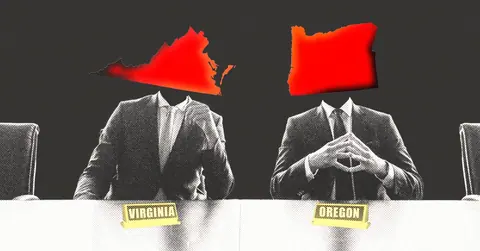
Uncle Sam Takes Musk's Side: DOJ Files Against Minnesota's Nudification Ban
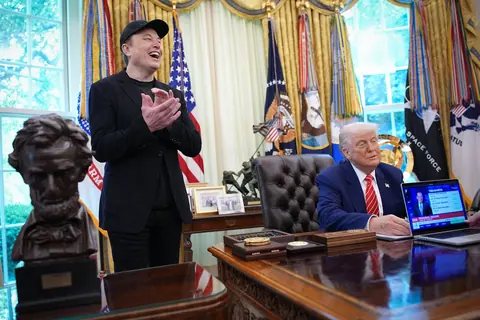
The week of August 17, 2026, the U.S. Department of Justice filed a statement of interest siding with Elon Musk's xAI in its constitutional challenge to Minnesota's ban on AI "nudification" technology — an extraordinary move that puts the federal government's legal weight behind an AI company fighting a state law designed to stop the non-consensual generation of sexual images. The filing landed days before a federal judge in Minneapolis heard argument on August 19 over xAI's request to block the statute, which took effect August 1.
The Minnesota law is broad by design. It bars any person who owns or controls a website, application, or service from allowing a user to access, download, or use that service to nudify an image or video, or from nudifying an image on a user's behalf. "Nudify" is defined as altering or generating an image to depict an intimate part not present in the original image of an identifiable individual, and extends to output realistic enough that a reasonable person would believe the intimate part belongs to that person. Violations carry penalties of up to $500,000.
DOJ's argument is not that nudification is good. It is that Minnesota drafted too widely: the law "sweeps up constitutional and productive conduct not prohibited under federal law because of the way Minnesota drafted (and apparently will enforce) the statute," the department wrote. xAI's own First Amendment theory runs alongside it — that the state is punishing the platform for what users do, and that xAI's terms of service and moderation already prohibit the conduct. Attorney Robert Dunn told Courthouse News that "the state would punish xAI for allowing a user to nudify themselves."
Minnesota is unmoved by the moderation defense. "It's certainly not surprising that xAI is not coming into federal court and saying, 'We support these images,'" Assistant Attorney General Janine Kimble said. "They say, 'Look at our terms of service; we tell people not to do this.' … And yet, they still are reporting tens of thousands of users creating images." That gap — between a written policy and tens of thousands of documented generations — is the state's entire case, and it is the same gap that produced Grok's much-publicized safeguard failures earlier in 2026.