Forbidden Fruit: Why Vibrators Are Suddenly Shaped Like Produce
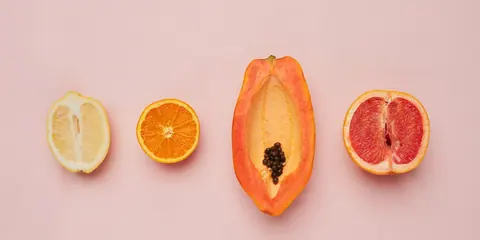
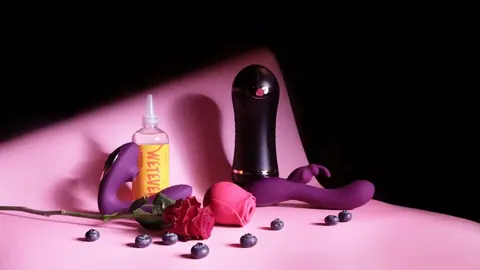
On August 28, 2026, Cosmopolitan published a Gabrielle Kassel feature arguing that 2026's most conspicuous product-design trend in pleasure devices — vibrators shaped like fruit — is less a cute aesthetic choice than a direct adaptation to platform censorship. The inventory is real and growing: Hello Nancy's Lem, a lemon-shaped air-suction toy, has become a TikTok fixture; lubricant brand WOO More Play launched a kumquat-shaped vibrator called the Cumquat Vibez in June 2026; and Inya — the NS Novelties line behind the 2024 rose vibrator — now sells a pear-shaped clitoral vibrator. Cosmopolitan's thesis, sourced to both operators and clinicians, is that the shape language is downstream of the algorithm.
The commercial logic is stated openly by the people shipping the products. "Creating a vibrator that looks like a fruit makes it easier to photograph and share on social media," Dame founder and CEO Alexandra Fine told Cosmopolitan — a company with a long documented history of fighting advertising restrictions. Rachana Ramchand, Hello Nancy co-founder and head of operations, was more specific about the mechanism: "The vibrant colors and overall cuteness of the toy really helped on social media. It literally looks like a piece of fruit, so we don't particularly face harsh shadowbanning on Meta platforms due to the appearance of the toy." But the workaround has a ceiling. Fine noted that even fruit-shaped products still get flagged or suppressed, and Ramchand identified the harder constraint: Hello Nancy "can't outright say 'this is a clitoral suction toy'" — which is precisely the information a buyer needs to know whether the product does what they want.
The censorship tax extends past brands to practitioners. Philadelphia-based AASECT-certified sex therapist Melanie Greenberg, LCSW, CST, MEd, founder of Pulling Threads Therapy, told Cosmopolitan she cannot type her own job title on social platforms: "If I want to say that I'm a 'sex therapist,' I have to write that I'm a 'seggs therapist' so that I don't get shadow-banned." Greenberg also supplied the design-psychology half of the argument — that phallic realism carries "a lot of meanings and shoulds, including what sex should look like," while fruit gives designers a non-anatomical but instantly recognizable form. Ramchand's version is the better sales line: "Most of this category asks you to be brave before you have even opened the box." Greenberg's cultural read is that fruit's coding as "wholesome, virtuous, and clean" in diet-and-wellness discourse is doing quiet work too — noting, memorably, that "there's a reason companies aren't making sticks of butter, biscuits, and croissants vibrators."