Desire Was Never Pink: How Subculture Aesthetics Took Over the Pleasure Aisle

On September 1, 2026, SIDE-LINE — a publication that has covered industrial, EBM, post-punk and darkwave music since the 1980s — ran an essay arguing that the modern pleasure-device palette was borrowed wholesale from goth and fetish subculture, and that the borrowing is the reason the category finally reads as legitimate. It is an unusual source for a design analysis, which is exactly what makes the argument worth reading: the people who wore the aesthetic for forty years noticed when the mainstream took it.
The historical framing is sharp. For most of the industry's existence, design was an afterthought because the product was a legal fiction — sold as "novelties," items technically not intended for the use everyone bought them for. That fiction shaped the look: screaming colours, cheap jelly plastics, airbrushed packaging with exclamation marks. As the piece puts it, the visual language said this is not serious, because not being serious was the point. And objects teach people how to feel about themselves — "a device that looks like a joke makes its owner feel like one."
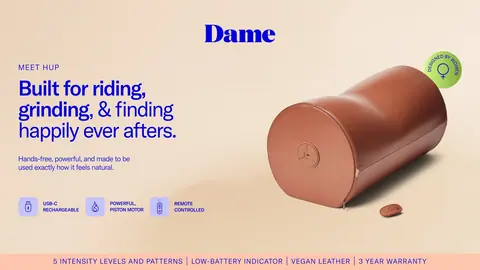
The turn came in the late 2000s when design-led companies started treating pleasure objects as industrial design problems. Jelly plastics gave way to body-safe silicone with a matte, almost stone-like finish. Neon gave way to charcoal, ink black, oxblood and midnight blue. Forms went abstract and sculptural rather than crudely anatomical — the current wave of clitoral stimulators shaped like roses and fruit being the most visible evidence.
SIDE-LINE's commercial reading of black is the most useful part for anyone building product: it is discreet, it hides wear, it reads as premium across every culture, and — critically — it de-genders a category that pink had locked to a single audience. But black also carries inherited meaning no brand strategist invented. It is the colour of seriousness, ritual and the nocturnal, and the visual grammar for "adult without sleazy" had already been developed over decades in fetish wear, club fashion, and leather and latex codes. "What the industry calls a premium unboxing experience," the piece notes, "the scene would simply call ritual." The closing observation is that every category signals its top tier in black — watches, hi-fi, fragrance, cars — and the pleasure industry adopting the same code is an admission that desire deserves comparable respect.