Same Feed, Same Harm: Ofcom's First Report Card Finds the Online Safety Act Hasn't Moved the Needle for Kids
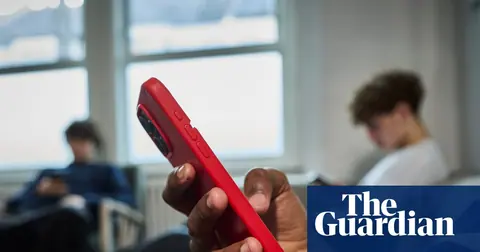
On October 22, 2026, Ofcom published its first statutory Report on content harmful to children under the UK Online Safety Act. It found that "at a total level there was no significant change in the proportion of children encountering harmful content over the first nine months after the children's safety duties came into force in July 2025." The regulator called the result "concerning" and said it had no evidence the severity of harm had changed either. The research tracked UK children aged 8 to 17 on user-to-user services. It covered exposure, impact, use of safety tools, and wellbeing after exposure to content including pornography, serious violence, suicide and self-harm material, misogyny and bullying.
The pornography finding goes against the main assumption behind the age-verification regime. Children most commonly reported encountering pornographic content via personalised "for you" recommendation feeds, according to the Guardian's account of the report, not by visiting porn sites. Girls were especially likely to report feeling confused or upset afterwards. Suicide and eating-disorder content also came mainly through personalised feeds. Ofcom also found that boys watching self-improvement content can "rapidly" end up seeing misogynistic and racist material, often through misspelled hashtags and coded language that slip past moderation.
Rather than scale back, Ofcom recommended widening the law. According to Reason, the report proposes adding "body stigma content and depression content" to the priority category of content harmful to children. That would give platforms more material they must age-gate or minimise. Ofcom says the data predates the extra pressure it began putting on Facebook, YouTube, Snap, Roblox and TikTok this spring, and it points to "widespread age checks" as progress. NSPCC said children are still exposed at an "alarming rate." Ian Russell, whose daughter Molly died in 2017, called the lack of progress "staggering but sadly not surprising." CEO Dame Melanie Dawes told MPs this week: "We do not see a safety culture from these large social media companies."
Sources
- Online safety laws have failed to protect children in UK, Ofcom admits — The Guardian (Oct 23, 2026)theguardian.com
- The U.K.'s Online Safety Act Has Been a Failure. Regulators Want To Broaden It Anyway. — Reason (Meagan O'Rourke, Oct 23, 2026)reason.com
- Ofcom finds no reduction in share of children seeing harmful content — UA.NEWS (Oct 23, 2026)ua.news