Ring and Reason: Oova Syncs Hormone Data With the Oura Ring to Explain the 'Why'
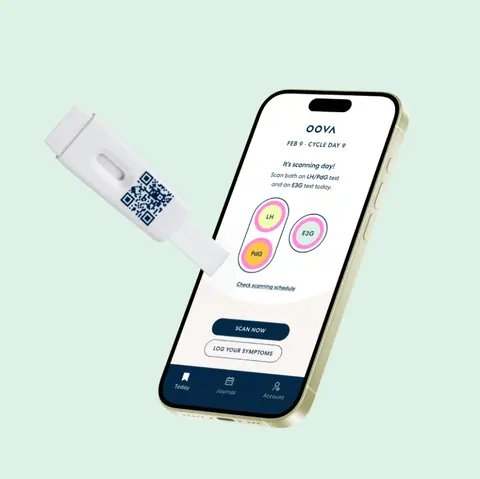
In early July 2026 (reported by Femtech Insider on July 8), hormone-intelligence platform Oova launched an integration with Oura that pulls sleep and recovery data from the Oura Ring directly into the Oova app, alongside a user's daily hormone patterns and symptom tracking. The pitch is to put three previously siloed data streams — measured hormone levels, wearable-derived sleep/readiness/recovery scores, and self-reported symptoms — onto a single timeline so women can see how hormonal shifts correlate with changes in sleep quality, mood, and recovery over time.
Oova's differentiator is that it measures actual hormone concentrations (its at-home tests quantify hormones from urine, read via the app) rather than estimating cycle phase from temperature or heart-rate proxies the way most wearables do. Founder and CEO Dr. Amy Divaraniya framed the integration around closing an interpretation gap: "Wearables have become remarkably good at telling women what happened. But most women are still left wondering why. By bringing hormone data, symptom tracking, and wearable insights together, we're helping women understand the biological patterns behind how they feel."
The launch builds on Oova's clinical footprint — the company points to research presented at the American College of Obstetricians and Gynecologists (ACOG) annual meeting and published in the journal Obstetrics & Gynecology. Pairing a quantified-hormone platform with the market-leading smart ring is a notable interoperability move in a femtech landscape where most apps guard their data inside walled gardens.