Score Travels With You: Oura Pushes Its Menopause Scale Into Ten Clinics at Once
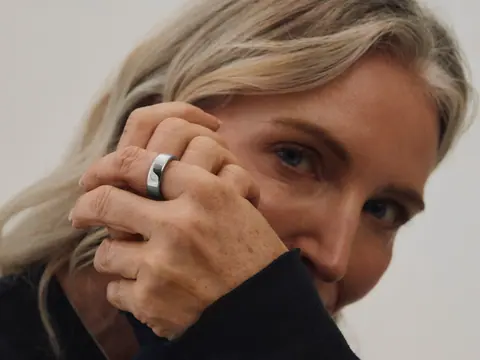
On Wednesday, September 2, 2026, Oura announced that its Menopause Impact Scale is leaving the app. The company is integrating the MIS into the clinical workflows of ten launch partners — menopause-focused providers Alloy Health, Gennev, Wisp and Pomelo; broader women's health platforms Maven, Tia and Xella; and hormone and biomarker tracking companies Oova, Mira and Hertility — so that a score generated on a member's ring app arrives in the exam room as structured data rather than a verbal recap.
The instrument itself launched in May 2026 and has been completed by more than 600,000 Oura members, with 35% of first-time takers going back for at least one reassessment. It asks about 22 symptoms across seven domains: sleep maintenance, cognitive function, body image, hot flashes, sexual function and vaginal symptoms, musculoskeletal pain, and urinary tract symptoms. Each symptom is rated by how much it affected quality of life over the past two weeks, on a five-point scale from none to extremely. Domain means run 0–4, and the seven sum to a total impact score from 0 to 28 — 0–7 minimal, 7–14 mild, 14–20 moderate, 21–28 high. A reminder fires 30 days later to re-run it and track the trend. Scores export as a PDF.
The design argument Oura is making is that legacy menopause assessment tools were built decades ago and measure symptom frequency and severity — how often, how bad — while the MIS measures impact on life, which is the thing patients actually show up complaining about. "Women navigating menopause can find themselves explaining the same symptoms to different providers, while the true impact on their daily lives gets reduced to a snapshot in time," said chief commercial officer Dorothy Kilroy. "That's why we developed the MIS: to give women and their providers a consistent way to track menopause's impact over time."
Oura's clinical director of women's health, Dr. Chris Curry, framed the integration as the point of the exercise rather than a feature bolt-on: "If data stays on the phone, it doesn't fulfill our vision of showing up for our members, even when things are hard. When that information can move with a woman into the care settings she already uses, it creates a more informed conversation between patients and clinicians." Curry also sketched the wider ambition — "we're moving from building individual features to building a connected, clinically informed layer that can support women across life stages." The usual caveat applies and Oura states it: the MIS is not a diagnostic, and treatment still requires a clinician.
Sources
- ŌURA Brings Menopause Impact Scale into Clinical Care through Expanding Partner Network — Oura Pulse Blogouraring.com
- Oura's Menopause Impact Scale Expands Out of the App and Into Women's Health Care — CNETcnet.com
- Oura Expands Menopause Symptom Tracking Into Clinical Care — Femtech Insiderfemtechinsider.com