Root Cause Analysis: A Small Placebo-Controlled Trial Says a Branded Shatavari Extract Lifts Desire Scores in Young Women. Read the Fine Print
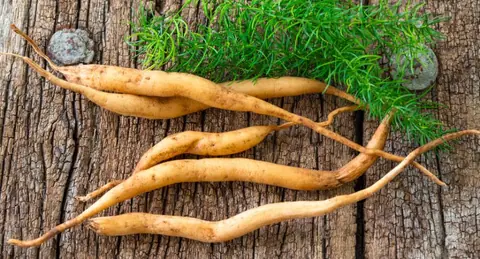
On October 7, 2026, supplement trade outlets Nutraceuticals World and Nutritional Outlook reported results from a randomized, double-blind, placebo-controlled trial of Aspurus, a standardized shatavari (Asparagus racemosus) root extract sold by India's Waleria Healthtech. The study enrolled 70 healthy reproductive-age women reporting low sexual desire. They took 300 mg/day of the extract or placebo for 56 days (8 weeks).
According to Nutritional Outlook's read of the published paper, the primary endpoint, total Female Sexual Function Index (FSFI) score, rose 67.96% from baseline in the shatavari group versus 7.58% on placebo. The between-group difference at Day 56 was 3.3 points (95% CI 1.6–5.0). Lubrication showed the largest domain gain. Secondary measures also favoured the extract: the Female Sexual Encounter Profile-Revised rose 61.9% versus 4.44%, anxiety/depression scores fell about 25%, and fatigue and sleep-disturbance scores improved. No serious adverse events were reported. Waleria's release adds a 63% improvement in objectively measured vaginal moisture and gains in desire (34.5%), arousal (64%) and satisfaction (80%).
Founder Komal Baldwa said the design deliberately excludes peri- and post-menopausal women: "A woman in her early 20s and a woman in her 50s navigating menopause may both experience low sexual desire, but they are experiencing that concern within very different physiological and life-stage contexts." The fine print: the trial tested the company's own branded ingredient, the sample is small, and the trade coverage doesn't agree on basic details. Nutraceuticals World cites the International Journal of Women's Health and ages 18–42. Nutritional Outlook says the paper appeared in the Journal of Medicine and Life with participants aged 18–45, and notes that the press release and paper differ. Nutritional Outlook also cautions that results from one defined extract "should not automatically be generalized to other shatavari materials."
Sources
- Shatavari Ingredient Improves Sexual Health Measures in Women: Study — Nutraceuticals World (Mike Montemarano, Oct 7, 2026)nutraceuticalsworld.com
- Shatavari Extract Study Reports Improved Sexual Function in Women With Low Sexual Desire — Nutritional Outlook (Nicholas Saraceno, Oct 7, 2026)nutritionaloutlook.com
Story updates 1
A second shatavari trial, and a US distribution deal. Women's sexual-wellness botanicals are quickly becoming a commercial category. On November 2, 2026, NutraIngredients reported that ingredient supplier Maypro has secured exclusive US distribution rights to Aspurūs, the Waleria Healthtech extract behind the October trial we covered. Waleria's scientific-affairs lead, Lauren Clardy, outlined dosing by life stage: 300 mg for "reproductive age, libido, and sexual wellness," 500 mg for perimenopause and 250 mg for menopause. She also cited a separate 150-woman perimenopause RCT published in the Journal of Dietary Supplements.
A rival ingredient now has its own data. Ixoreal Biomed, maker of KSM-66 ashwagandha, is promoting an eight-week RCT of its SRI-81 Shatavari published in the International Journal of Women's Health (WholeFoods Magazine, November 4). The trial enrolled 135 women aged 18–55 at sites in India and the US, randomised to 300 mg SRI-81, SRI-81 plus 250 mg KSM-66, or placebo, with 127 in the per-protocol analysis. Total FSFI scores rose 34.1% on SRI-81 vs 19.6% on placebo (p=0.025). Satisfaction rose 63.9% vs 19.0%, and sexual distress fell 28.7% vs 8.8%. Adverse events were mild and occurred in all groups. Ixoreal CEO Kartikeya Baldwa called sexual wellness "one of the most overlooked areas in women's health."
What changed: There are now two competing branded shatavari extracts, each with a small sponsor-promoted trial and a US distribution route, so a "clinically studied shatavari" claim is likely to appear on women's libido products soon. The caveats from October still apply. Both are small, company-backed studies of single proprietary ingredients, and the placebo group in the SRI-81 trial also improved by nearly 20%. Retailers and brands should treat them as early evidence, not settled science.