Stroke of Genius, Eventually: SexLikeReal's Melody Adds AI Rhythm-Learning and Slips to Q4
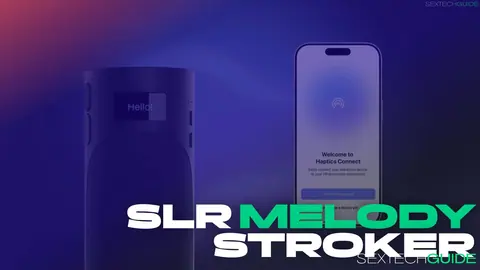
On August 10, 2026, SEXTECHGUIDE reported that VR adult platform SexLikeReal has set the last quarter of 2026 as the shipping window for Melody, its first in-house haptic stroker, and revealed that the device will include AI that learns a user's stroking rhythm and responds to it. The company has opened an email waitlist — which, tellingly, still lists the device as arriving in August 2025.
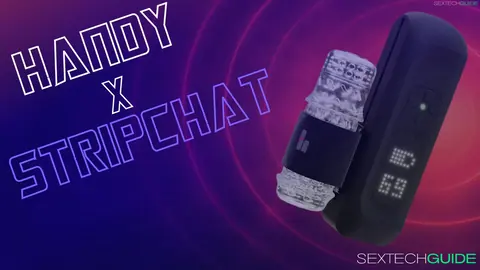
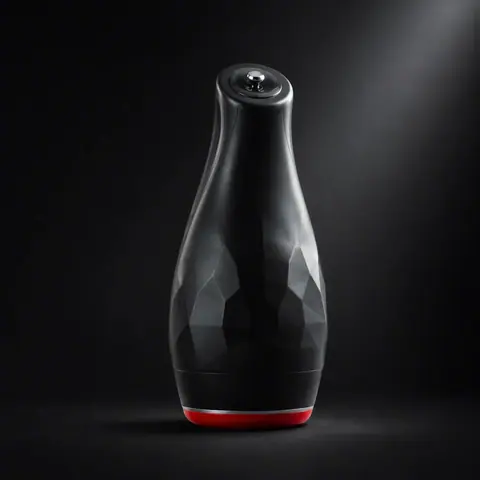
The hardware spec is now reasonably detailed. Melody weighs under one kilogram, has a 12-centimeter stroke range, and can deliver up to 150 full strokes per minute. It carries a color text screen on the body for messages and intensity data, mounts hands-free, and syncs to VR content with a single button press. Interactive control can be driven either through VR or through AI-synced scripts — time-coded files such as Funscripts that direct movement frame by frame, which sync more precisely than motion-triggered methods because they're authored per video. It connects to the Haptics Connect app for solo fine-tuning and for remote syncing to a partner's device, and it has an open API aimed at live camming and third-party experiences. New renders show the sleeve section mounted outside the motor housing, similar to the Handy 2.
Two details matter for buyers. Sleeves from Handy, Fleshlight and Kiiroo will be compatible — a meaningful concession in a category that usually locks customers into proprietary consumables. And pricing, while unannounced, was previously indicated by an SLR manager to SEXTECHGUIDE as landing between the Handy 2 and Handy 2 Pro, putting it around $200. The initial production run is 1,000 units, with a likely follow-on batch of roughly 3,000.
The schedule deserves scrutiny. SLR "trashed" its original stroker design in 2023 and restarted; the waitlist still advertises an August 2025 date; a spring 2026 window already slipped. In October 2025 an SLR manager told SEXTECHGUIDE the device "has completely different technology of transmitting power from the motor to the actual sleeve," claiming rivals produce "a jerking movement" while "our device is capable of doing it really smoothly." That is the central engineering claim, and it remains unverified by anyone outside the company.